


Share via:
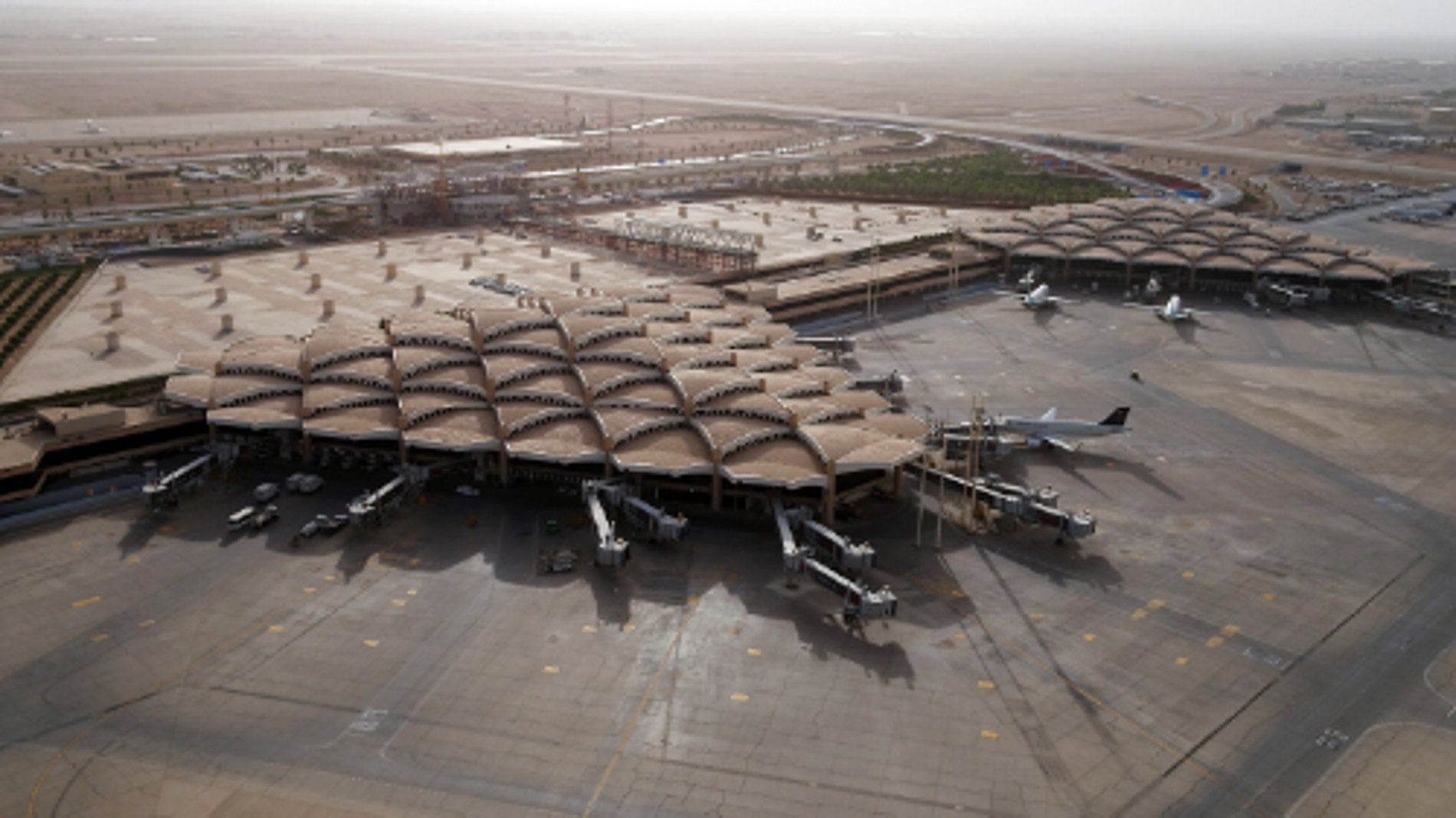
King Khalid International Airport (KKIA), managed and operated by Riyadh Airports Company, has successfully completed the Terminal Transition project carried out between 16 and 25 February. This milestone represents the most significant operational transformation since the airport’s establishment, enhancing connectivity between domestic and international flights, improving passenger experience, and strengthening operational readiness in line with rapid passenger growth and ongoing expansion plans.
The transition was executed through a comprehensive operational plan developed in coordination with all airport stakeholders. Flight operations were redistributed across terminals to optimize infrastructure utilization, reduce transfer times between domestic and international terminals for national carriers, and minimize waiting times—particularly for transit passengers. The plan included allocating Terminals 1 and 2 for international flights of national carriers, Terminals 3 and 4 for domestic flights of national carriers, and Terminal 5 for international flights of foreign carriers. This reallocation enhanced passenger flow, improved operational efficiency, increased terminal capacity, and ensured smoother overall operations.
Commenting on this achievement, Eng. Ayman bin Abdulaziz Aboabah, CEO of Riyadh Airports Company, stated:
“The successful and stable execution of operations across all terminals reflects meticulous planning, full operational readiness, and strong adherence to flight schedules. This achievement was made possible through the support of the Ministry of Transport and Logistics Services, the General Authority of Civil Aviation, and Matarat Holding Company, as well as the collective efforts of all airport stakeholders, including security entities and both national and international airlines.”
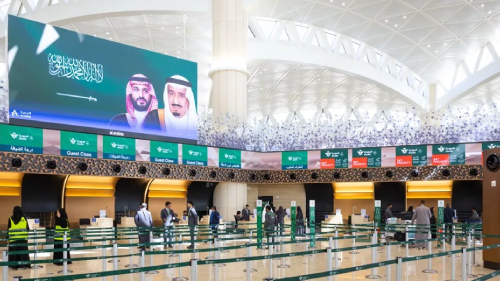
He added that proactive readiness measures played a key role in ensuring a seamless transition, including the deployment of more than 650 on-ground guides to assist passengers, the integration of operational systems, and real-time coordination across
all entities. Additional supporting measures included one-hour free parking, complimentary inter-terminal transportation via taxis and the Riyadh Metro, and increased shuttle bus frequency every four minutes.
Operational figures during the transition period reflected the success and efficiency of execution, with a total of 1,046,016 arriving and departing passengers across more than 7,650 flights. The transition is expected to increase the capacity of Terminals 3 and 4 from 16 million to 25 million passengers annually, supporting continued growth in travel demand. It also represents a pivotal step toward increasing the airport’s total capacity from 42 million passengers in 2025 to 56 million by the end of 2026—an increase of over 33%. Additionally, transit and connecting passenger capacity is projected to reach 7.5 million passengers annually, further strengthening the airport’s position as a regional and global hub.
This achievement reflects ongoing development efforts at King Khalid International Airport, reinforcing its role as a strategic hub connecting three continents, in alignment with Saudi Vision 2030 to advance the aviation sector, enhance infrastructure efficiency, and strengthen the Kingdom’s position in the global logistics landscape.